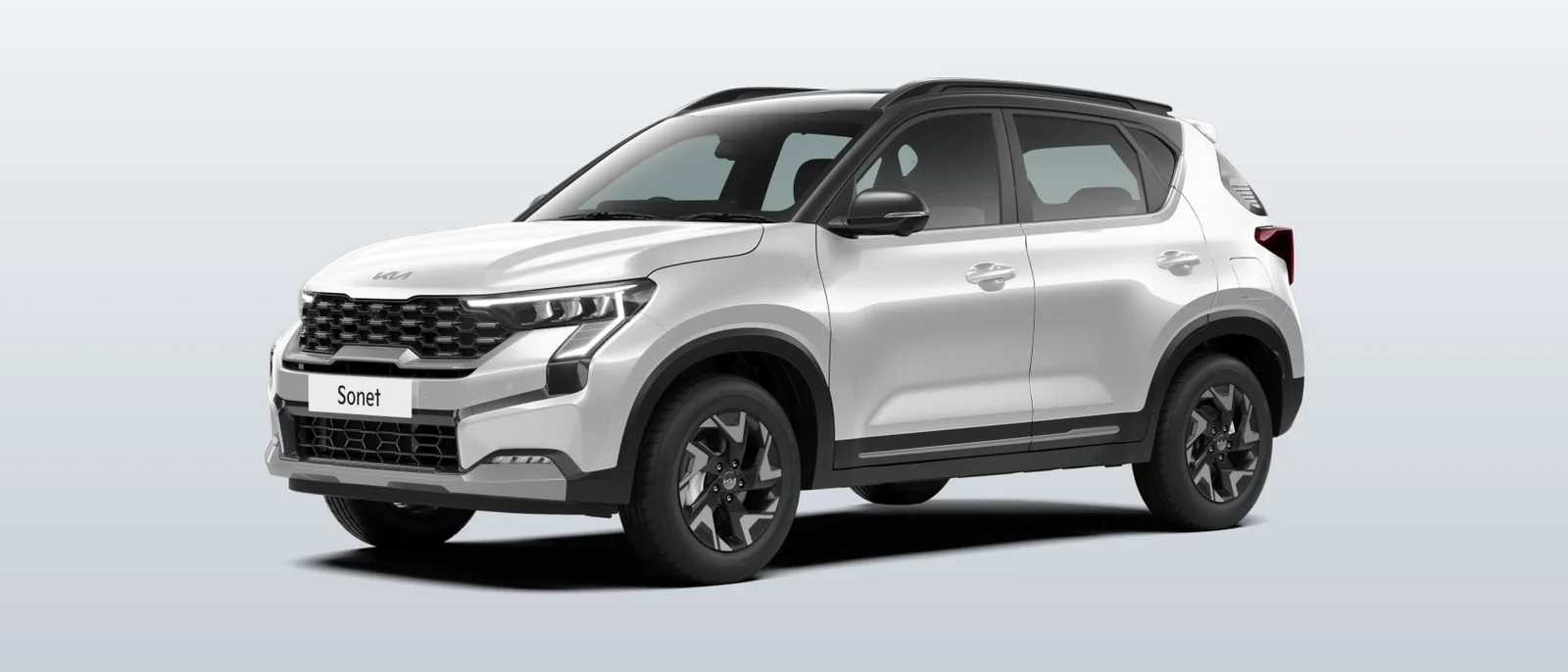
The Kia Sonet offers the widest powertrain menu in the compact SUV segment — three engines, five gearboxes — with 6 airbags and ADAS Level 1 standard on top trims, all starting under ₹7.5 lakh.
Key specs
| Fuel type | Petrol, Diesel |
|---|---|
| Hybrid system | None |
| Mileage (claimed) | 1.2 Petrol 5MT: 18.4 kmpl (claimed); 1.0T Petrol DCT: up to 19.2 kmpl (claimed); 1.5 Diesel 6MT: 24.1 kmpl (claimed) |
| Engine | 1.2L Smartstream Petrol (1197cc, 61 kW / 115 Nm); 1.0L Smartstream T-GDi Turbo Petrol (998cc, 88 kW / 172 Nm); 1.5L CRDi VGT Diesel (85 kW / 250 Nm) |
| Power & torque | 61 kW (1.2 Petrol) | 88 kW (1.0T Petrol) | 85 kW (1.5 Diesel) |
| Transmission | 5MT (1.2 Petrol); 6iMT, 7DCT (1.0T Petrol); 6MT, 6AT (1.5 Diesel) |
| Drivetrain | FWD |
| Seating | 5 |
| Boot space | 385 litres |
The Kia Sonet ("Wild. Reborn") is a sub-4-metre compact SUV priced from ₹7.31 lakh to approximately ₹13.79 lakh (ex-showroom, all India), making it one of the most feature-rich and powertrain-diverse offerings in its segment. The 1.5-litre diesel manual claims a best-in-range 24.1 kmpl (ARAI), while the 1.0-litre turbo-petrol DCT returns up to 19.2 kmpl (claimed). With three engine options, five gearbox types, and 6 airbags standard across every variant, the Sonet punches well above its price point.
The current generation is a significant facelift of the Sonet, bringing a sharper Tiger Nose grille, Crown Jewel LED headlamps with Star Map LED DRLs, a revised cabin with dual 10.25-inch screens on top trims, and ADAS Level 1 with 10 autonomous safety features on the GTX+ and X Line. Kia also claims the lowest maintenance cost in the segment — 16% below average for petrol and 14% below average for diesel — backed by Frost & Sullivan research. The X Line adds an exclusive Matte Graphite exterior and Xclusive Sage Green interior inserts for buyers who want a more rugged aesthetic.
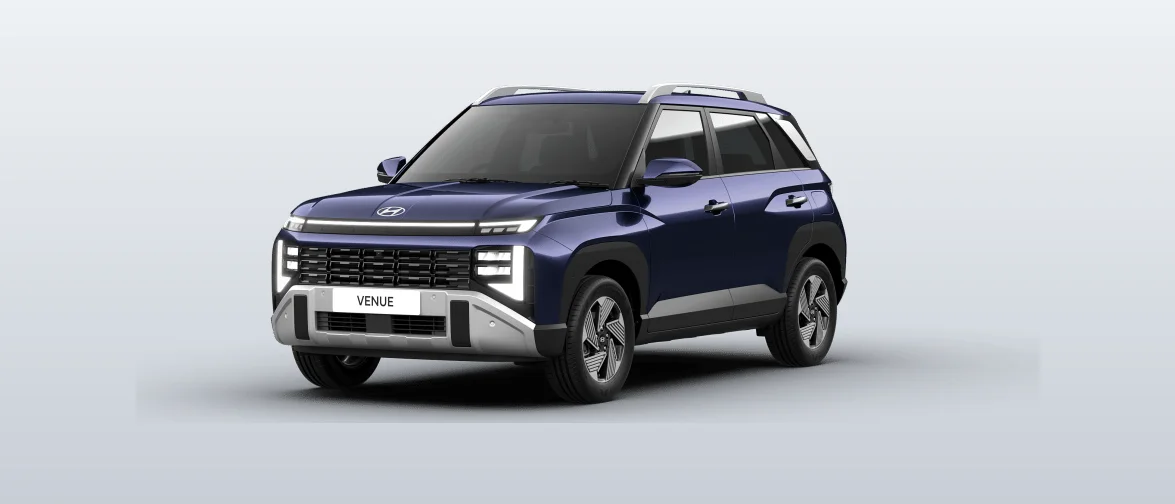
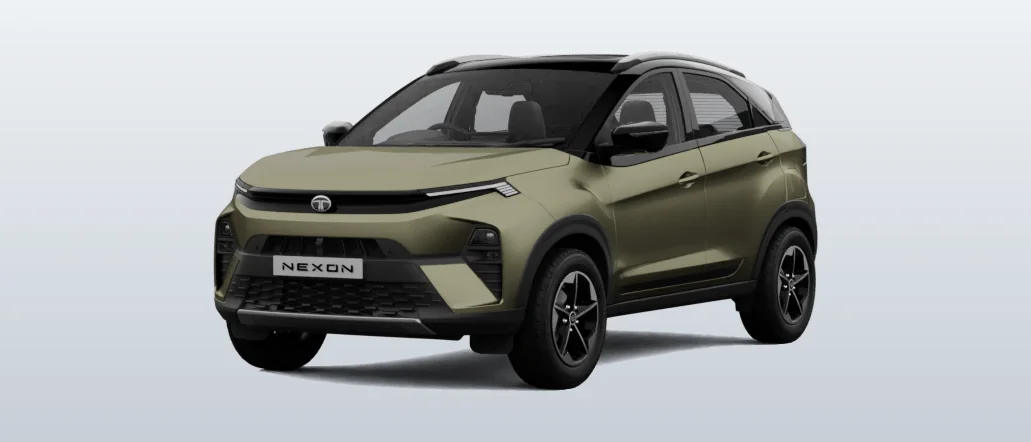
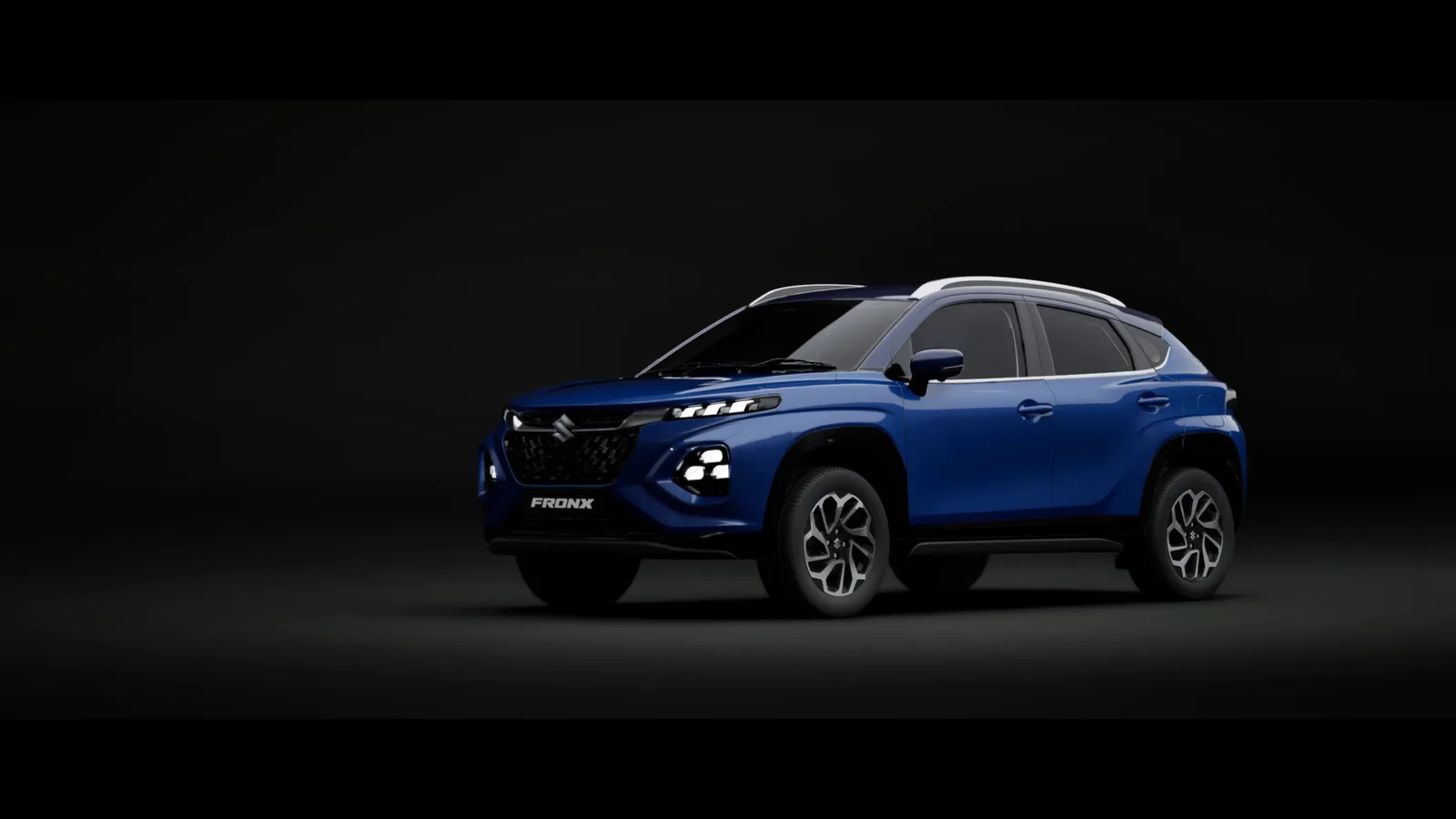
The Sonet competes directly with the Hyundai Venue, Maruti Fronx, Tata Nexon, and Mahindra XUV 3XO. Its breadth of powertrain and gearbox combinations — including a segment-first 6-speed torque-converter automatic on the diesel — gives it a unique advantage. A next-generation Sonet is expected to arrive in 2027 on Kia's newer K1 platform; if your purchase can wait, that may be worth considering.
Engines, mileage, and running cost
The Kia Sonet is available with three distinct powertrains. The entry point is the 1.2-litre Smartstream naturally aspirated petrol (61 kW / 115 Nm), paired exclusively with a 5-speed manual. It returns a claimed 18.4 kmpl and suits buyers who prioritise low purchase and running costs. The mid-range 1.0-litre Smartstream T-GDi turbo-petrol (88 kW / 172 Nm) is the liveliest petrol option, available with either a 6-speed intelligent Manual Transmission (iMT) or a 7-speed dual-clutch automatic (DCT), claiming up to 19.2 kmpl on the DCT. The 1.5-litre CRDi VGT diesel (85 kW / 250 Nm) is the efficiency champion at 24.1 kmpl (claimed, 6MT) and is the only engine offered with a 6-speed torque-converter automatic — a segment-first pairing that Kia introduced at a more accessible price point in March 2026, with diesel-AT variants now starting at ₹9.77 lakh.
Kia claims the Sonet has the lowest maintenance cost in its segment — 16% below the petrol average and 14% below the diesel average, per Frost & Sullivan research. The 45-litre fuel tank (petrol variants) means fewer fill-up stops on long runs. Residual value is also cited as best-in-segment, 3% above average, which lowers the total cost of ownership over a typical ownership cycle.
Performance and drive
The 1.0-litre turbo-petrol is the driver's choice: 172 Nm of torque from low revs gives it a punchy, responsive character that suits both city overtakes and highway cruising. The 7-speed DCT shifts quickly in normal driving but can feel hesitant at very low speeds in stop-start traffic — a known trait of wet-clutch DCTs. The 6iMT is a good middle ground, offering clutchless convenience without the DCT's occasional jerkiness. The 1.2-litre petrol is smooth and refined but noticeably less urgent; Autocar India recommends it specifically for buyers who want the most jerk-free driving experience.
The diesel's 250 Nm of torque makes it the most effortless engine for highway work, and the 6-speed automatic transforms it into a genuinely relaxed long-distance cruiser. The HTX trim adds traction modes (Sand / Mud / Wet) on automatic variants and paddle shifters, giving the Sonet a degree of off-road versatility unusual for a sub-4-metre SUV. Ride quality is generally well-judged for Indian roads, with the suspension tuned to absorb broken surfaces without excessive body roll.
Cabin, space, and tech
Inside, the Sonet's cabin feels premium relative to its price. Top trims (GTX+ and X Line) get dual 10.25-inch screens — a touchscreen infotainment unit and a full digital instrument cluster — along with a 7-speaker Bose premium audio system and LED ambient mood lighting. Front ventilated seats and a 4-way power driver's seat are also GTX+/X Line exclusives. The HTK+ and above add a wireless smartphone charger, while the HTX and above include a Smart Pure Air Purifier with virus and bacteria protection.
Kia Connect brings 70+ connected car features including Alexa home-to-car connectivity, OTA map and system updates, remote AC control, and voice-controlled window function. The 385-litre boot is competitive for the segment, and the 60:40 split rear seats (HTK+(O) and above) improve practicality. Rear headroom is adequate for average-height adults, though taller passengers may find the roofline slightly snug. The electric sunroof is available from mid-range trims upward and is a popular feature in this segment.
Safety and ADAS
The Sonet's safety story is one of its strongest selling points. 6 airbags are standard across every variant — front dual, front side seat, and side curtain — making it one of the few sub-4-metre SUVs to offer this without a premium. The 15-feature Hi-Safety Package is also standard across the range, covering Electronic Stability Control (ESC), Hill Assist Control (HAC), Vehicle Stability Management (VSM), Brake Assist System (BAS), ABS with EBD, Emergency Stop Signal (ESS), and all-seat 3-point seatbelts with reminders.
ADAS Level 1 with 10 autonomous features is reserved for the GTX+ and X Line. The suite includes Front Collision Warning (FCW), Front Collision-Avoidance Assist for cars, pedestrians, and cyclists (FCA), Lane Keep Assist (LKA), Lane Following Assist (LFA), Lane Departure Warning (LDW), High Beam Assist (HBA), Driver Attention Warning (DAW), and Leading Vehicle Departure Alert (LVDA). The GTX+ and X Line also add a 360-degree camera with Blind View Monitor in the instrument cluster, and front and rear parking sensors. Rear disc brakes are fitted on HTX, GTX+, and X Line trims. The Sonet has not yet been rated by Bharat NCAP or Global NCAP.
Variants and pricing
The Sonet range spans eight trim levels. The entry HTE (₹7.31 lakh) and HTE(O) (₹7.83 lakh) cover the 1.2-litre petrol manual and diesel-AT basics. The HTK(O) (₹8.84 lakh) adds connected LED taillights, 16-inch alloys, an 8-inch touchscreen, and keyless entry. The HTK+ (₹9.23 lakh) and HTK+(O) (₹9.71 lakh) bring LED DRLs, push-button start, electrically folding mirrors, and — on the (O) — a dashcam with dual cameras and Crown Jewel LED headlamps. The HTX (₹11.50 lakh) introduces ADAS-adjacent cruise control, traction modes, paddle shifters, and leatherette seats. The GTX+ (₹13.65 lakh) is the full-feature flagship with ADAS Level 1, dual 10.25-inch screens, Bose audio, ventilated front seats, and a 360-degree camera. The X Line (₹13.79 lakh) adds the Matte Graphite exterior, Xclusive Sage Green interior inserts, and X Line badging for a more distinctive look.
How it compares
Against the Hyundai Venue, the Sonet offers more engine and gearbox combinations and standard 6 airbags across all variants — the Venue matches on features but the Sonet's diesel-AT breadth is wider. Versus the Tata Nexon, the Sonet is slightly smaller but more feature-rich at equivalent price points; the Nexon has a 5-star Global NCAP rating which the Sonet cannot yet match. The Maruti Fronx undercuts the Sonet on price and offers a strong hybrid option, but lacks a diesel and has fewer gearbox choices. The Mahindra XUV 3XO offers more interior space and a stronger ADAS suite at the top end, but its diesel-automatic combination is pricier. The Sonet's unique advantage remains its five-gearbox lineup and the segment-first 6-speed torque-converter automatic on the diesel.
Who should buy it
The Kia Sonet is the right choice for buyers who want maximum powertrain flexibility in a sub-4-metre SUV. The 1.2-litre petrol manual suits first-time buyers and city commuters on a tight budget. The 1.0-litre turbo-petrol DCT is ideal for enthusiasts who want a peppy, automatic-equipped petrol without stepping up to a larger car. The 1.5-litre diesel automatic is the pick for high-mileage users and highway-heavy drivers who want effortless cruising and the best fuel economy in the segment. Buyers who prioritise safety will appreciate the standard 6 airbags and ESC across all trims. Those who can wait should note that a next-generation Sonet on Kia's K1 platform, with larger screens and Level 2 ADAS, is expected in 2027.
Safety & ADAS
| Airbags | 6 airbags standard across all variants (front dual, front side seat, side curtain) |
|---|---|
| ADAS level | ADAS Level 1 — 10 autonomous features on GTX+ and X Line: FCW, FCA (Car/Pedestrian/Cyclist), LKA, LFA, LDW, HBA, DAW, LVDA |
| Notes | Electronic Stability Control, Hill Assist Control, Vehicle Stability Management, Brake Assist System, ABS with EBD, and Emergency Stop Signal standard across all variants. Rear disc brakes on HTX, GTX+, and X Line. 360-degree camera with Blind View Monitor in cluster on GTX+ and X Line. Front and rear parking sensors on GTX+ and X Line; rear parking sensors on all variants. ISOFIX child anchors standard. Not yet rated by Bharat NCAP or Global NCAP. |
Verdict
Best for: High-mileage commuters and family buyers who want the widest powertrain choice, standard 6 airbags, and premium tech in a sub-4-metre SUV
What we like
- Widest engine-gearbox menu in the segment: 3 engines × 5 gearbox types including segment-first diesel 6-speed torque-converter AT
- 6 airbags standard on every variant — rare in the sub-₹8 lakh compact SUV space
- 1.5L diesel claims 24.1 kmpl (ARAI) — best fuel economy figure in the range
- Kia claims lowest maintenance cost in segment (16% below petrol average, 14% below diesel average per Frost & Sullivan)
- ADAS Level 1 with 10 autonomous features, dual 10.25-inch screens, and Bose audio on top trims
What to know
- 7-speed DCT can feel jerky at very low speeds in heavy city traffic
- ADAS Level 1 restricted to GTX+ and X Line — unavailable below ₹13.65 lakh
- No Bharat NCAP or Global NCAP crash-test rating yet, unlike the Tata Nexon's 5-star result
- Rear seat space is tight for tall adults given the sub-4-metre footprint
Variants
| Variant | Price | Mileage | Notable |
|---|---|---|---|
| HTE | ₹7,31,900 | 18.4 kmpl (1.2 Petrol MT, claimed) | Entry variant; 1.2L Petrol 5MT; 6 airbags standard; rear parking sensors |
| HTE(O) | ₹7,83,900 | — | Adds electric sunroof; diesel-AT available from this trim; semi-digital cluster |
| HTK(O) | ₹8,84,900 | — | Connected LED taillights; 16-inch alloys; 8-inch touchscreen; keyless entry; automatic climate control |
| HTK+ | ₹9,23,900 | — | LED DRLs; push-button start; electrically folding ORVMs; wireless charger; remote engine start (diesel) |
| HTK+(O) | ₹9,71,900 | — | Dashcam with dual cameras; Crown Jewel LED headlamps; Ice Cube LED fog lamps; leatherette seats; 60:40 split rear seats |
| HTX | ₹11,50,900 | — | Cruise control; traction modes (Sand/Mud/Wet on AT); paddle shifters; Smart Pure Air Purifier; rear disc brakes |
| GTX+ | ₹13,65,900 | — | ADAS Level 1 (10 features); dual 10.25-inch screens; Bose 7-speaker audio; ventilated front seats; 4-way power driver seat; 360-degree camera with Blind View Monitor; LED ambient lighting |
| X Line | ₹13,79,900 | — | All GTX+ features plus Matte Graphite exterior; Xclusive Sage Green interior inserts; X Line badging; 1.0T DCT only |
Key features
- 6 airbags standard across all variants (front dual, side seat, curtain)
- Three engine options: 1.2L Petrol, 1.0L Turbo-Petrol, 1.5L Diesel — with five gearbox types including segment-first 6-speed torque-converter AT on diesel
- ADAS Level 1 with 10 autonomous features on GTX+ and X Line
- Dual 10.25-inch screens (touchscreen + digital cluster) and Bose 7-speaker audio on GTX+/X Line
- Kia Connect with 70+ features including Alexa home-to-car, OTA updates, and remote AC control
- Front ventilated seats and 360-degree camera with Blind View Monitor in cluster (GTX+, X Line)
- Lowest claimed maintenance cost in segment — 16% below petrol average, 14% below diesel average (Frost & Sullivan)
Competitors
Latest news
Will Hyundai and Kia's New Hybrid SUVs in 2026-2027 Change Your Buying Decision? Creta, Seltos Hybrid Launch Timeline
Kia Seltos Hybrid (178 hp, 2027 India launch) and Hyundai Creta Hybrid are coming to challenge the Grand Vitara and Hyryder in the ₹15–20 lakh strong-hybrid SUV space.
Kia Carens Clavis October 2026 Discounts: Up to ₹95,000 in Cash & Exchange Benefits—How It Compares to Maruti XL6
Kia Carens Clavis ICE variants get up to ₹95,000 in October 2026 benefits—cash, exchange, loyalty, scrappage, and corporate—while the CNG version is excluded from the offer.
Kia Carens CNG & Carens Clavis CNG Launched in India 2026: Price, Mileage & How They Compare to Maruti XL6
Kia's Carens and Carens Clavis CNG start at Rs 12.12 lakh and Rs 12.39 lakh ex-showroom, with estimated mileage of 22–25 km/kg and a 6-speed manual gearbox only.
FAQs
What is the price of the Kia Sonet?
The Kia Sonet starts at ₹7.31 lakh (ex-showroom, HTE variant) and goes up to ₹13.79 lakh for the X Line. The range spans 8 trim levels covering petrol and diesel powertrains with manual and automatic gearboxes.
What is the mileage of the Kia Sonet?
The Kia Sonet's claimed mileage ranges from 18.4 kmpl for the 1.2-litre petrol manual to 24.1 kmpl for the 1.5-litre diesel 6-speed manual. The 1.0-litre turbo-petrol DCT claims up to 19.2 kmpl. These are ARAI/brand-claimed figures under ideal conditions.
Is the Kia Sonet worth buying?
The Sonet is a strong buy if you value powertrain flexibility, standard safety, and premium tech at a competitive price. It offers 6 airbags on every variant, the widest engine-gearbox lineup in its class, and Kia claims the lowest maintenance cost in the segment. However, buyers who prioritise crash-test ratings should note it has not yet been rated by Bharat NCAP.
Which engine options does the Kia Sonet get?
The Sonet offers three engines: a 1.2-litre naturally aspirated petrol (61 kW / 115 Nm, 5MT only), a 1.0-litre turbo-petrol (88 kW / 172 Nm, 6iMT or 7DCT), and a 1.5-litre CRDi VGT diesel (85 kW / 250 Nm, 6MT or 6AT). The diesel 6-speed automatic is a segment-first pairing.
Does the Kia Sonet have ADAS?
Yes — the Kia Sonet offers ADAS Level 1 with 10 autonomous features on the GTX+ (₹13.65 lakh) and X Line (₹13.79 lakh) trims. The suite includes Forward Collision Warning, Front Collision-Avoidance Assist (for cars, pedestrians, and cyclists), Lane Keep Assist, Lane Following Assist, Lane Departure Warning, High Beam Assist, Driver Attention Warning, and Leading Vehicle Departure Alert.
Is the Kia Sonet safe?
The Sonet has a strong safety specification: 6 airbags are standard on every variant, along with Electronic Stability Control, Hill Assist Control, ABS with EBD, and Emergency Stop Signal. Top trims add a 360-degree camera with Blind View Monitor and ADAS Level 1. The car has not yet been independently crash-tested by Bharat NCAP or Global NCAP.
What is the boot space of the Kia Sonet?
The Kia Sonet offers 385 litres of boot space, which is competitive for a sub-4-metre SUV. The HTK+(O) and above variants add 60:40 split-folding rear seats to extend cargo capacity when needed.
Does the Kia Sonet get a diesel automatic variant?
Yes. The 1.5-litre diesel is available with a 6-speed torque-converter automatic — a segment-first combination. Diesel-AT variants are now available from the HTE(O) trim upward, with prices starting at ₹9.77 lakh (ex-showroom) following a March 2026 price revision that made the pairing up to ₹2.25 lakh more affordable.
Sources
- Kia Sonet Showroom – Prices, Features & Colours | Kia India
- Kia Sonet Specifications | Kia India
- Kia Sonet Variants Comparison 2026 – Price, Colours, Specs | Kia India
- Kia Sonet (2026) – Price, Mileage & Expert Reviews | Autocar India
- Kia Sonet Price (2026) – Images, Colours, Mileage & Reviews | HT Auto
- Kia Sonet new diesel AT variants explained: Price, features & more | Times of India